Treasure-like or Regular? Discover Bicentennial Quarters Like a Pro
The Bicentennial quarter remains one of the most recognizable coins in U.S. history, minted to honor the 200th anniversary of the nation’s independence. Issued in 1975 and 1976, it replaced the standard Washington quarter design for a limited time, featuring a special reverse with a colonial drummer and torch surrounded by thirteen stars — a symbol of patriotism and artistry combined.
For many Americans, these coins evoke nostalgia. Yet for numismatists, they represent a complex category of collectibles blending high mintage with occasional rarity. Over 1.6 billion Bicentennial quarters were struck across all U.S. Mints, but not all are created equal. Among the masses lie a few that command attention for their composition, mint mark, condition, or minting errors — factors that can dramatically influence value.
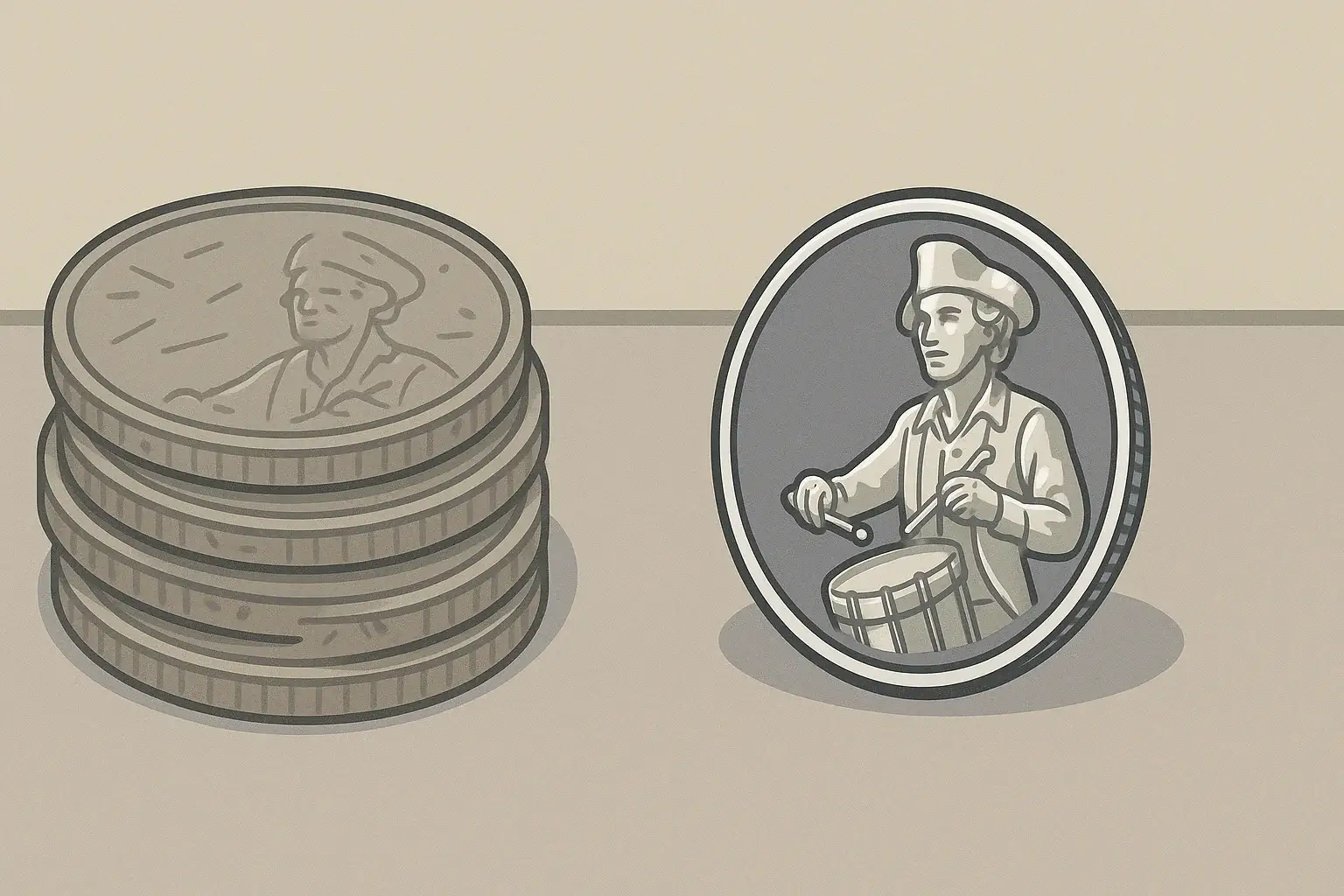
A Dual-Dated Tribute to History
Unlike typical quarters, every Bicentennial issue carries the dual date “1776–1976” on the obverse, a permanent reminder of America’s founding. This design, crafted by Jack L. Ahr, appeared on coins from the Philadelphia (no mint mark), Denver (D), and San Francisco (S) mints. The San Francisco issues are especially important, as they include silver-clad proofs made specifically for collectors — the only silver quarters struck in that series.
From Pocket Change to Collectible Treasure
While most Bicentennial quarters remain worth 25 cents, certain examples transcend their face value. Coins in Mint State 65 (MS65) or higher can fetch $20–$60, while pristine silver proofs and verified error coins may reach hundreds or even thousands of dollars. For instance, a 1976-S Silver Proof Quarter in perfect condition can bring $10–$15, whereas rare double-die or off-center strikes have sold for far more at major auctions.
Collectors and historians alike value these coins not only for potential profit but also for what they represent — a nation celebrating two centuries of freedom through everyday art. Understanding what makes some of these quarters treasure-like and others regular requires a blend of expertise, observation, and modern tools designed to assist collectors in identifying subtle variations and hidden gems.
Identifying Treasure-Like Bicentennial Quarters
Not every Bicentennial quarter carries extraordinary value, but those that do share certain traits easily recognized by informed collectors. Identifying these treasure-like coins requires close attention to mint marks, composition, strike quality, and unique minting errors — details that separate a pocket find from a valuable collectible.
Key Features to Look For
Dual Date “1776–1976”: Present on all Bicentennial quarters, this instantly confirms authenticity.
Reverse Design: A colonial drummer by artist Jack L. Ahr, symbolizing Revolutionary spirit.
Mint Marks:
(No mark) — Philadelphia Mint
D — Denver Mint
S — San Francisco Mint (includes silver proofs)
Composition:
Standard circulation issues: copper-nickel clad
Collector proofs: 40% silver clad, struck only in San Francisco
Edge: Standard reeded edge, though occasionally, rare broad-strike or incomplete edge errors appear on auction listings.
How to Spot Valuable Variants
Collectors prioritize coins in MS65 or higher condition, as grading directly impacts price. Clean fields, sharp relief, and full drum details indicate superior quality. Proof coins, especially those with the “S” mint mark and silver composition, often achieve higher premiums due to limited mintages and mirror-like surfaces.
Equally important are minting errors, which can turn a common Bicentennial quarter into a remarkable find:
Double-die obverse or reverse: doubled images of the date or drummer.
Off-center strikes: portions of design missing or misaligned.
Die cracks and cuds: visible raised lines or blobs where dies failed.
Using Coin ID Scanner for Quick Identification
Modern numismatics now blend expertise with digital precision. Coin ID Scanner offers a reliable way to distinguish treasure-like Bicentennial quarters through a simple photo. The app identifies coins, verifies mint marks, lists metal composition, diameter, minting year, and even real-time value estimates. With an archive of 187,000+ coins worldwide, it’s ideal for confirming authenticity, recognizing mint errors, and tracking a personal collection.
For both casual hobbyists and seasoned numismatists, such digital tools streamline discovery — saving time while improving accuracy when evaluating potential rarities.

Market Value Insights and Collecting Tips
Understanding what drives the value of Bicentennial quarters allows collectors to distinguish between sentimental keepsakes and investment-worthy pieces. Though most remain common, the right mint mark, condition, and rarity factor can elevate certain quarters far beyond face value.
Current Market Overview
While typical circulated examples sell for $0.25–$1, mint-state and proof coins often command higher premiums. The chart below shows common valuations as of 2025:
Type | Mint Mark | Composition | Grade | Approx. Value |
Regular issue | P or D | Copper-nickel | MS65 | $5–$25 |
Proof issue | S | 40% silver | PR65 | $10–$15 |
Silver uncirculated | S | 40% silver | MS65 | $15–$40 |
Double-die / major error | Any | Varies | High grade | $200–$3,000+ |
Values fluctuate based on collector demand, precious metal trends, and grading certification from reputable authorities such as PCGS or NGC. Heritage Auctions and Stack’s Bowers regularly list Bicentennial errors or pristine silver proofs fetching several hundred dollars.
Pro Collector Tips
Handle carefully: Use cotton gloves to avoid fingerprints or oils.
Store properly: Place coins in airtight capsules or acid-free flips.
Get certified: Submit high-grade coins for professional grading to validate condition and authenticity.
Track markets: Follow real-time updates through PCGS Price Guide or Numismatic News.
Sell wisely: Use auction houses or trusted marketplaces rather than generic resale sites.
The Role of Technology in Modern Collecting
Digital innovation has revolutionized coin collecting. Tools like Coin ID Scanner empower users to photograph any quarter and instantly access mint data, estimated value, and composition. Integrated portfolio management helps maintain organized records, while AI-assisted recognition detects mint marks and surface anomalies invisible to the naked eye.
Becoming a Bicentennial Quarter Pro
Every Bicentennial quarter tells part of America’s story, yet some tell it more profitably than others. By studying mint variations, learning grading principles, and leveraging modern tools such as Coin ID Scanner, collectors can uncover hidden value and preserve these national symbols for generations to come. The difference between a regular and treasure-like coin often lies in careful observation — and the right technology to guide it.
More articles

Orthopedic Care Excellence: Optimal Outcomes & Key Factors for Success
Discover how to achieve optimal orthopedic outcomes with a focus on early diagnosis, patient-centered care, advanced technology, and comprehensive rehabilitation. Learn about the key factors and innov
Read more
The Ultimate Guide to Choosing the Right Orthopedic Mattress for Your Spine Health
Discover how to choose the perfect orthopedic mattress to support spinal alignment, relieve pain, and improve sleep quality. Explore key features like firmness, material quality, and pressure relief i
Read more
Treasure-like or Regular? Discover Bicentennial Quarters Like a Pro
Learn how to spot valuable Bicentennial quarters with key mint marks, silver proofs, and rare errors. Explore value charts, grading tips, and smart tools like Coin ID Scanner.
Read more